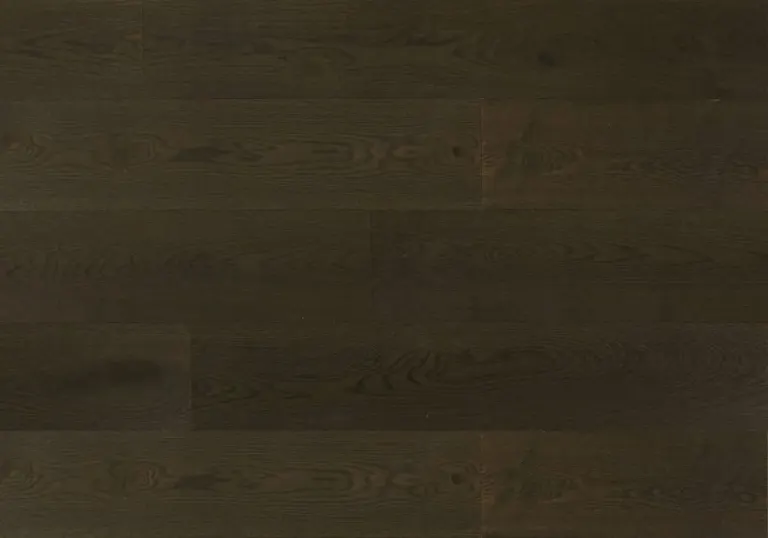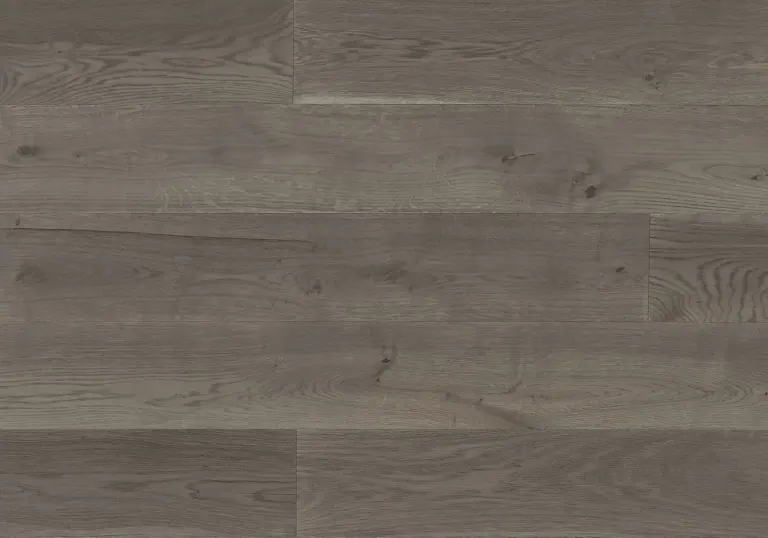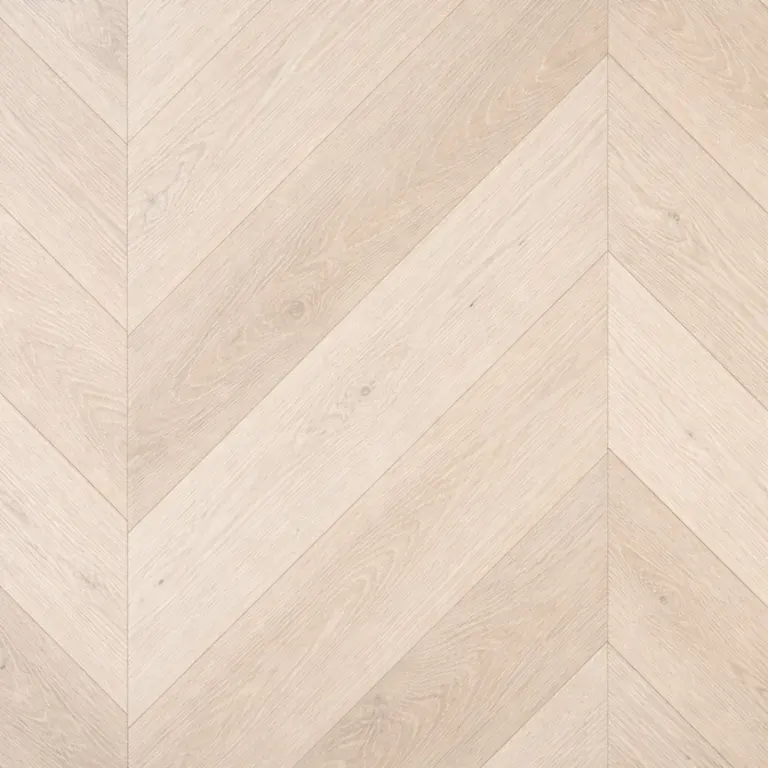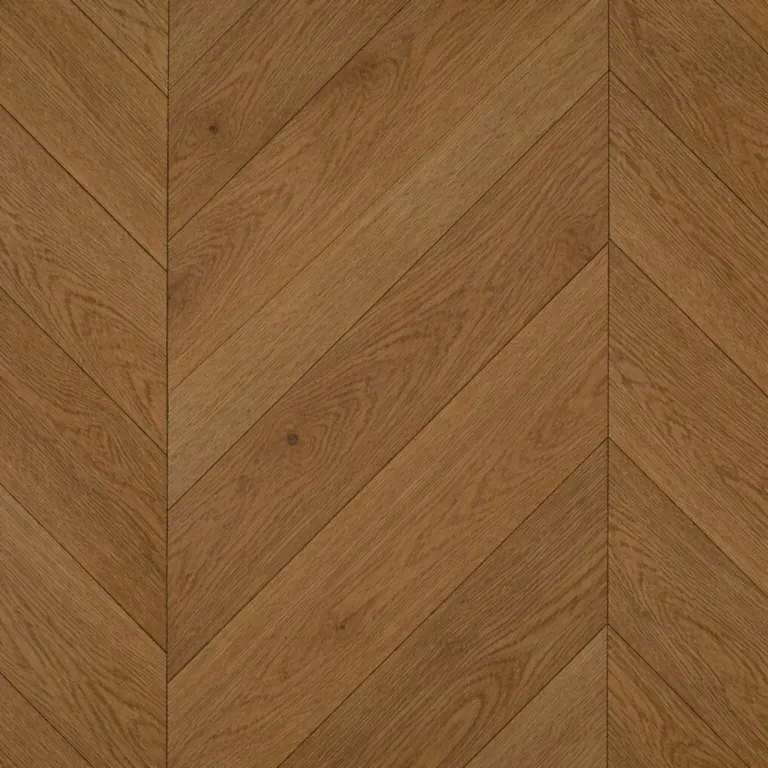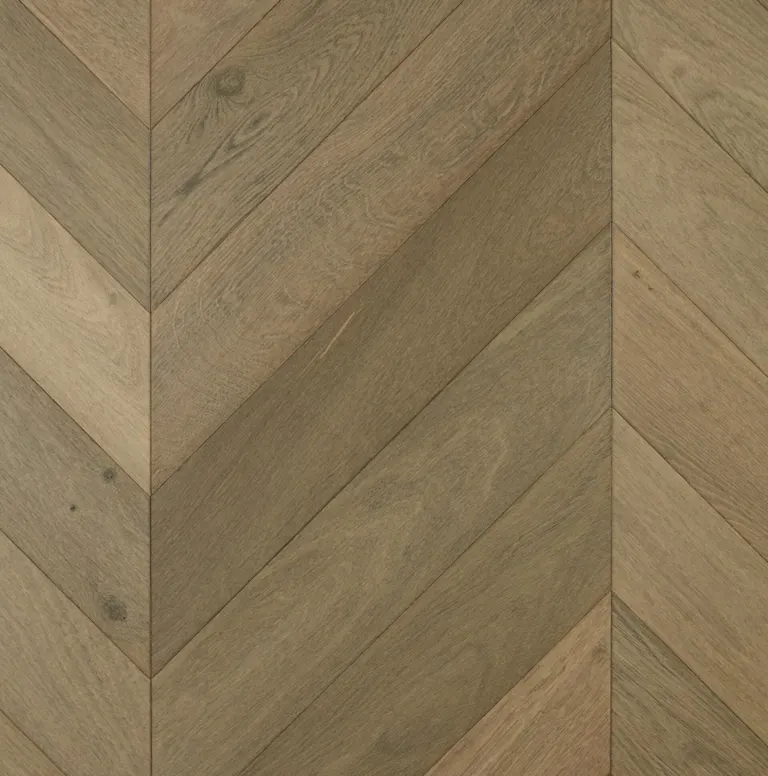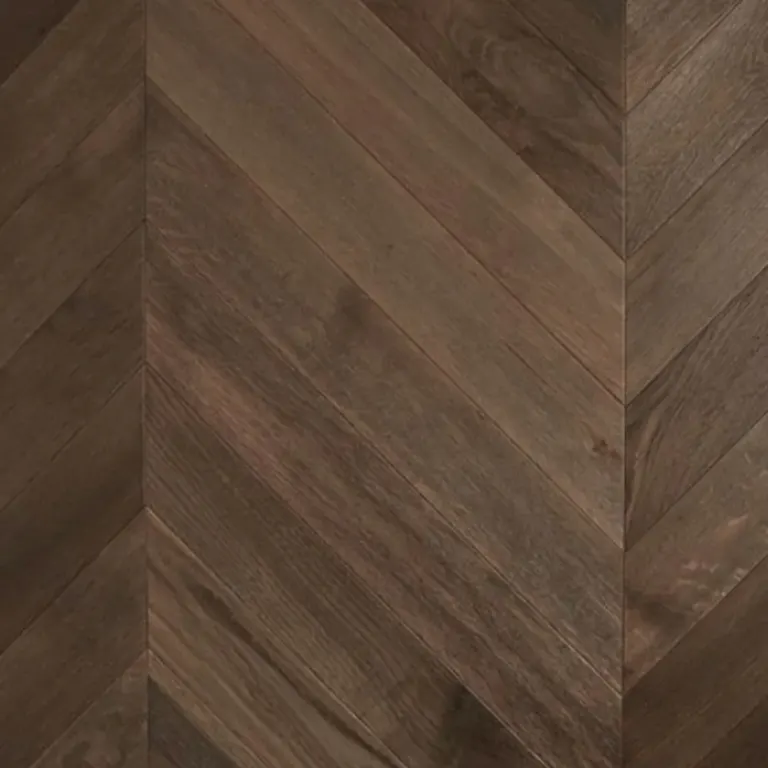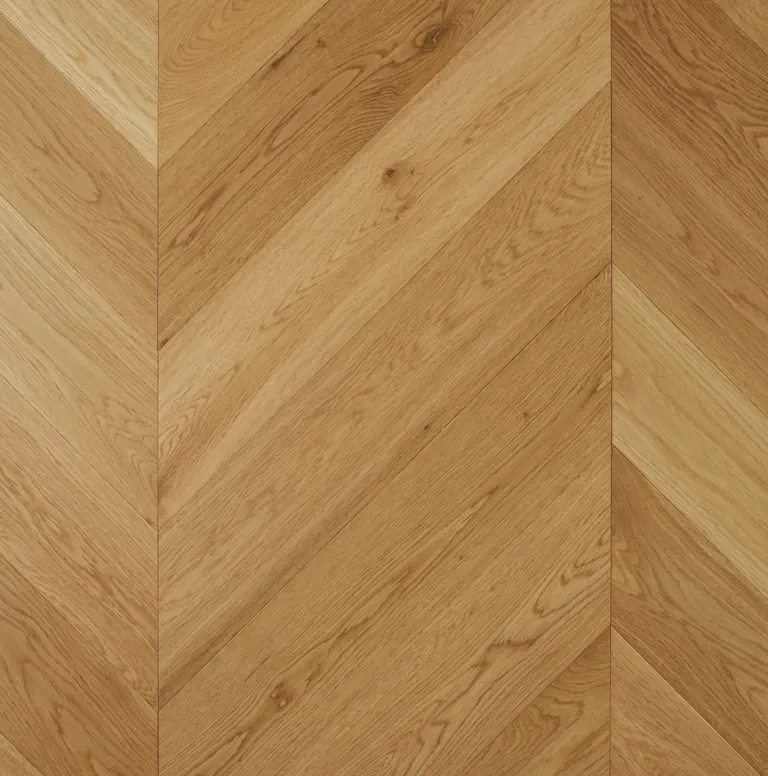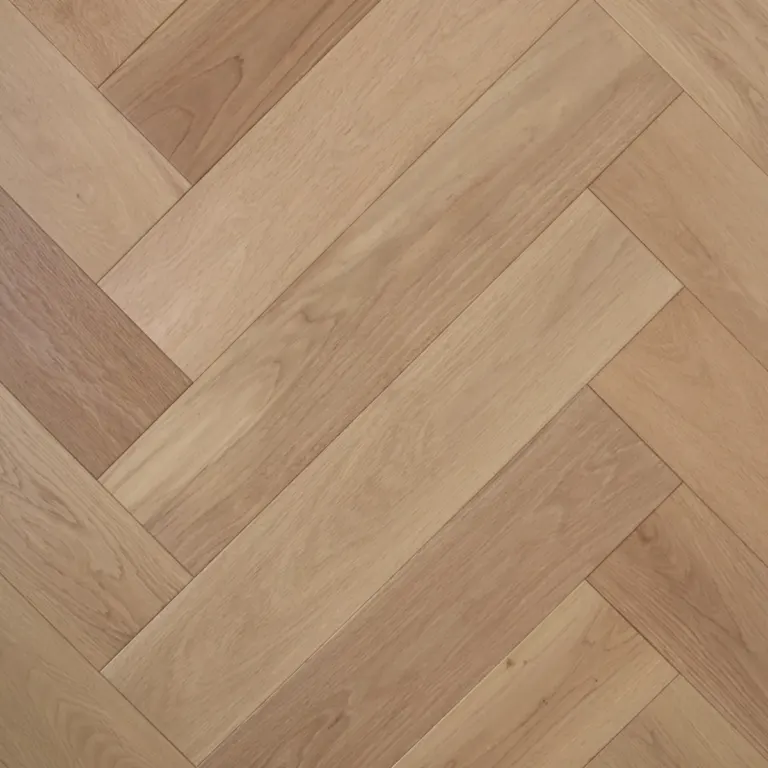


Egypt
Engineered Oak · 1900 × 190 × 15 mm random lengths
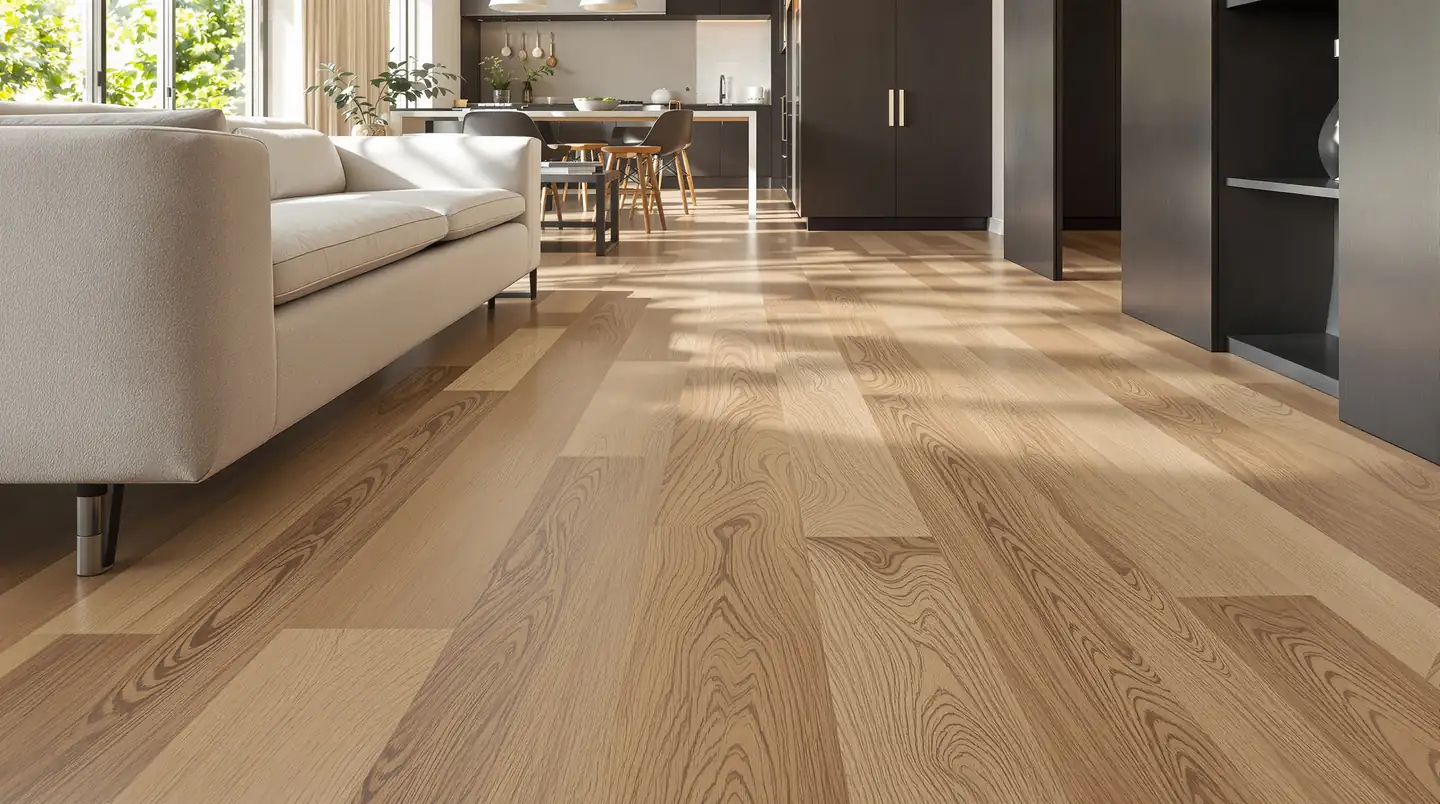
Engineered oak
Discover our premium oak flooring collection, available in 14 mm, 15 mm and 21 mm thicknesses with 2 mm, 3 mm, 4 mm and 6 mm wear layers. Choose from wide plank engineered oak, herringbone and chevron, with a selection of colours, grades and finishes to complement both contemporary and traditional interiors. Supply and professional installation across Melbourne. Visit our Camberwell showroom to explore our collections and consult with our flooring specialists.
In short
Engineered oak flooring combines the natural beauty and durability of genuine European oak with the stability of a multi-layered core. Designed to minimise movement compared with solid timber, it is an excellent choice for concrete slab homes, wider floorboards and compatible underfloor heating systems. Our premium engineered oak boards are 15 mm thick with a generous 4 mm genuine European oak wear layer, offering exceptional quality, durability and longevity. The substantial wear layer also allows the flooring to be professionally sanded and refinished in the future, helping restore its natural beauty and extend its lifespan. Available in a selection of colours, finishes, wide planks, herringbone and chevron designs.
Colour families in this range
58 floors
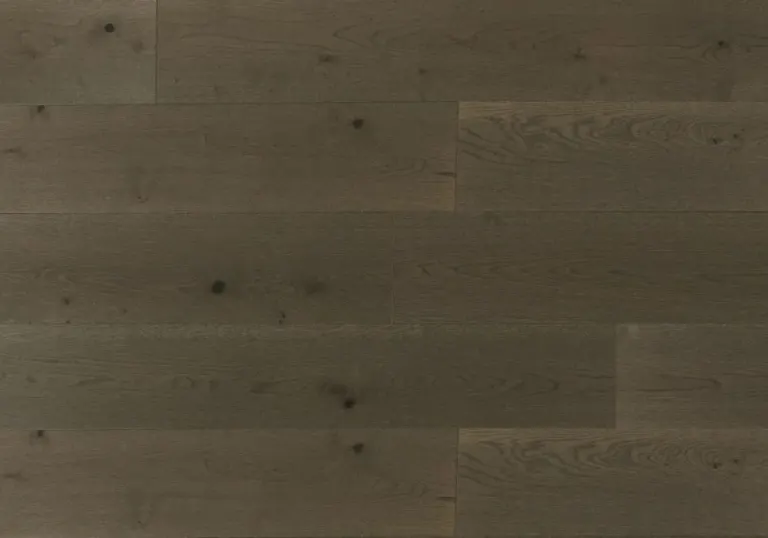
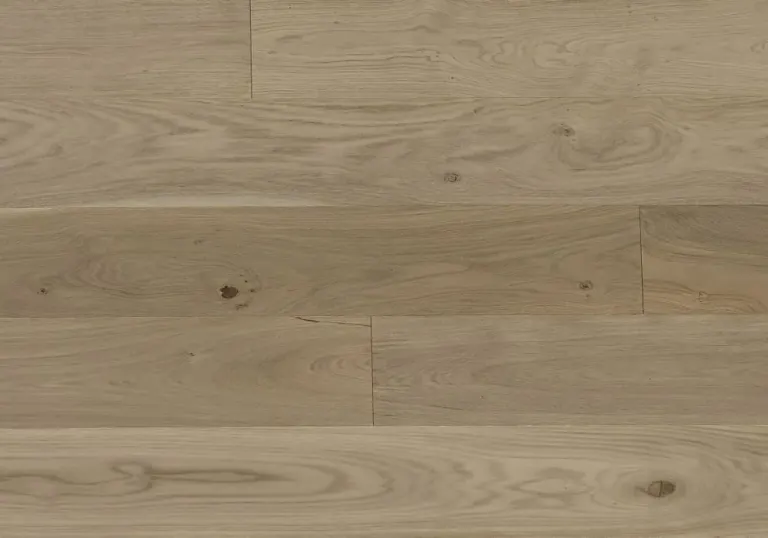
Engineered Oak · 1900 × 190 × 15 mm random lengths
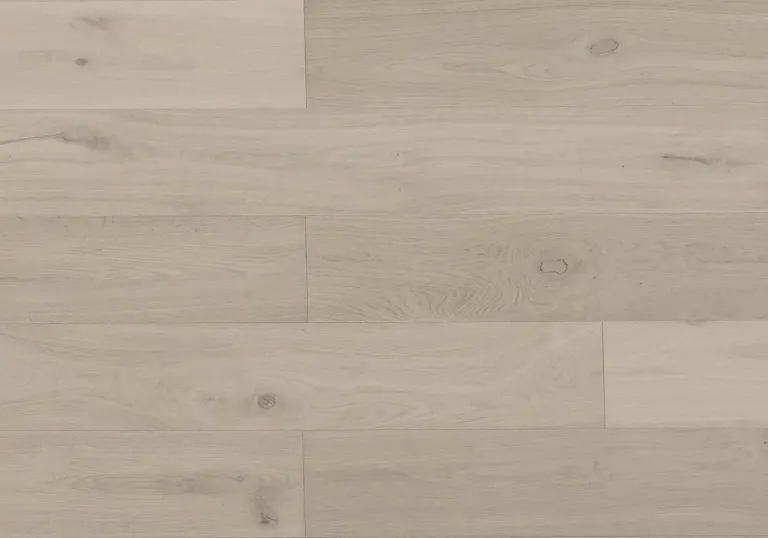
Engineered Oak · 1900 × 190 × 15 mm random lengths (nested shorts)
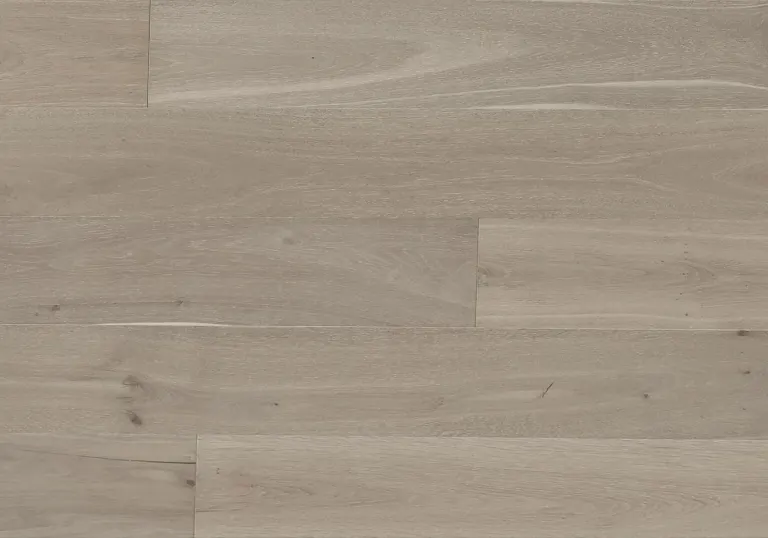
Engineered Oak · 1900 × 190 × 14 mm
Engineered Oak · 2200 × 220 × 21 mm
Engineered Oak · 1900 × 190 × 14 mm
Engineered Oak · 1900 × 190 × 15 mm
Engineered Oak · 1900 × 190 × 15 mm
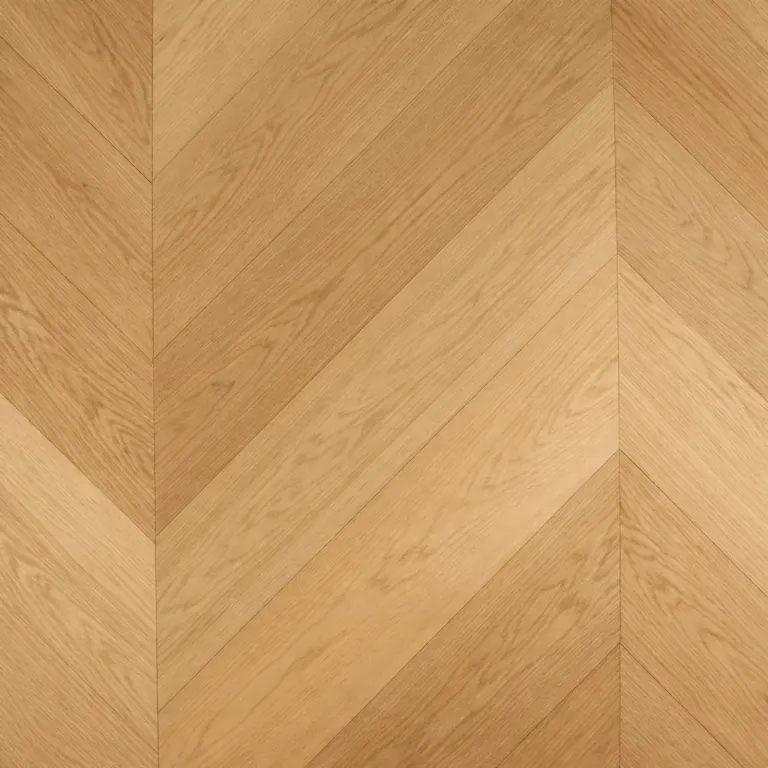
Herringbone & Chevron · 600 × 120 × 15 mm
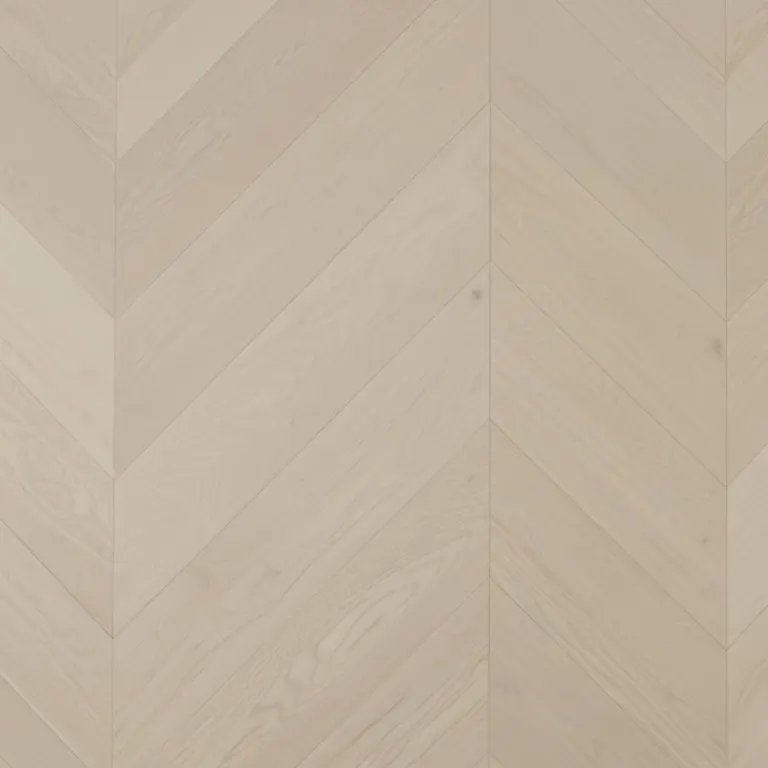
Herringbone & Chevron · 600 × 120 × 15 mm
Herringbone & Chevron · 600 × 120 × 15 mm or 600 × 90 × 21 mm
Herringbone & Chevron · 600 × 120 × 15 mm / 600 × 90 × 21 mm
Engineered Oak · 1900 × 190 × 15 mm
Engineered Oak · 1900 × 190 × 14 mm
Engineered Oak · 1900 × 190 × 15 mm
Engineered Oak · 1900 × 190 × 14 mm
Engineered Oak · 1900 × 190 × 14 mm
Engineered Oak · 1900 × 190 × 14 mm
Engineered Oak · 1900 × 190 × 14 mm
Engineered Oak · 1900 × 190 × 14 mm
Engineered Oak · 1900 × 190 × 14 mm
Engineered Oak · 1900 × 189 × 14 mm random lengths (nested shorts)
Engineered Oak · 1900 × 189 × 14 mm random lengths (nested shorts)
Engineered Oak · 1900 × 189 × 14 mm random lengths (nested shorts)
Engineered Oak · 1900 × 189 × 14 mm random lengths (nested shorts)
Engineered Oak · 1900 × 189 × 14 mm random lengths (nested shorts)
Engineered Oak · 1900 × 189 × 14 mm random lengths
Engineered Oak · 1900 × 189 × 14 mm random lengths (nested shorts)
Engineered Oak · 1900 × 190 × 14 mm
Engineered Oak · 1900 × 190 × 15 mm, 2200 × 220 × 21 mm random lengths
Herringbone & Chevron · 600 × 120 × 15 mm
Herringbone & Chevron · 600 × 120 × 14 mm
Herringbone & Chevron · 600 × 120 × 15 mm, 600 × 120 × 21 mm
Herringbone & Chevron · 600 × 120 × 14 mm
Herringbone & Chevron · 600 × 120 × 14 mm
Herringbone & Chevron · 600 × 120 × 15 mm
Engineered Oak · 1900 × 190 × 14 mm
Engineered Oak · 1900 × 190 × 14 mm
Engineered Oak · 1900 × 190 × 14 mm
Engineered Oak · 1900 × 190 × 14 mm
Herringbone & Chevron · 600 × 120 × 15 mm, 600 × 120 × 21 mm
Engineered Oak · 1900 × 190 × 14 mm
Herringbone & Chevron · 600 × 120 × 15 mm, 600 × 120 × 21 mm
Engineered Oak · 1900 × 220 × 15 mm
Engineered Oak · 1900 × 190 × 14 mm
Engineered Oak · 2200 mm × 220 mm × 15 mm
Engineered Oak · 2200 mm × 220 mm × 15 mm
Engineered Oak · 1900 mm × 190 mm × 15 mm
Engineered Oak · 1900 mm × 190 mm × 15 mm
Engineered Oak · 1900 mm × 190 mm × 15 mm
Engineered Oak · 1900 mm × 190 mm × 15 mm
Herringbone & Chevron · 915 × 155 × 15 mm
Herringbone & Chevron · 915 × 155 × 15 mm
Herringbone & Chevron · 915 × 155 × 15 mm
Herringbone & Chevron · 915 × 155 × 15 mm
Herringbone & Chevron · 600 × 120 × 15 mm
Herringbone & Chevron · 600 × 120 × 15 mm
Herringbone & Chevron · 600 × 120 × 15 mm
Herringbone & Chevron · 600 × 120 × 15 mm
An engineered oak board is two layers bonded together. The top is a slice of real European oak, the part you see and walk on. Underneath is a stable core made of cross-laid layers, so the board resists the swelling and shrinking that solid timber goes through as the seasons change.
Most boards in our engineered oak range are 15 mm thick with a 4 mm oak wear layer, and we also have 14 mm boards with 2 or 3 mm wear layers and 21 mm boards with 6 mm wear layers. The edges have a micro bevel, the boards join with tongue and groove, and the surface is a matte brushed finish. Brushing opens the grain slightly so you can feel the texture underfoot, and the low sheen hides fine scratches and dust better than a glossy coat.
Because the core does most of the structural work, engineered boards can be made longer and wider than solid oak boards of the same stability. That is why you can get a 220 mm wide board in engineered oak without the cupping risk you would take with a solid board that wide.
The wear layer is the only part of the board that can be sanded. Some cheaper engineered floors use a thin veneer of 1 to 2 mm, which may allow one light sand or none at all. A 4 mm layer leaves real timber to work with.
In practice, most engineered floors never need a full sand. After years of use, the usual job is a light buff and recoat, which takes off very little. If the floor is badly scratched or you want to change the colour later, a 4 mm layer gives a floor sander room to cut back to fresh timber. How many times that can be done depends on how much each sand removes and the condition of the floor, so we prefer not to promise a specific number. The point is that a 4 mm board is built to be refinished, where a thin veneer usually is not.
One practical note: a brushed texture and some colour treatments are lost when a floor is sanded flat. If you sand the floor in fifteen years, you will be choosing a new finish at that point, which is worth knowing now.
Our engineered oak comes in three formats, plus a reactive-finish series in the standard plank size. Thicknesses and wear layers vary across the range, so the choice is about both look and performance.
| Format | Board size | Per pack | Colours |
|---|---|---|---|
| Standard plank | 1900 × 190 mm, 14 or 15 mm thick | 2.166 m² (14 mm) or 1.805 m² (15 mm) | Includes Smoke White, Cinnamon Brown, Santiago, Port Douglas, Sand Castle, Maison Grey, Walnut Brown, Swiss Chocolate, Egypt, Pure Oak and more |
| Wide board | 2200 × 220 mm or 1900 × 220 mm, 15 or 21 mm thick | Varies by board | Mink, Nero Brown, Black Fox, Swiss Chocolate, Morocco |
| Engineered American hickory | 1900 × 189 × 14 mm, 2 mm hickory wear layer | 2.155 m² | Natural, Rye, Copper, Sunshine, Rustic, Mist and Vanilla Hickory |
| Herringbone | 600 × 120 mm, 14, 15 or 21 mm thick | Varies by range | Includes Santiago Herringbone, Port Douglas Herringbone, Sandy Shore, Storm Cloud Herringbone, Swiss Chocolate Herringbone, Sauvignon Blanc Herringbone and more |
| Reactive-finish plank | 1900 × 190 × 15 mm | n/a | Westminster, St James, Oxburgh, Jacobean |
The standard plank at 190 mm wide suits most homes. It works in bedrooms and hallways as well as open living areas, and it gives you the widest colour choice. Walnut Brown is a good example of how the brushed finish reads on a warm brown board.
The wide board is typically 2200 mm long and 220 mm wide, with a 1900 × 220 mm option in Morocco. Fewer joins make a large open-plan space look calmer. In a small bedroom the wider board can feel heavy, so it helps to see a few boards laid out together before deciding. Have a look at Mink to get a feel for the proportion.
Herringbone blocks are 600 × 120 mm and are laid in a zigzag pattern. They cost more to install because of the extra labour and cutting. Our herringbone and parquetry page covers patterns, borders and waste allowance in detail.
The reactive-finish series uses the standard plank size with a matte brushed surface and a reactive finish that brings out a more rustic, varied look. Westminster is one of four in that series.
Oak takes stains and finishes well, which is why the range runs from near-white to deep brown. We group colours four ways across the site:
Look at samples in the room where they will go, at different times of day. Colour on a phone screen or under showroom lighting is only a starting point. Take a sample home and put it next to your kitchen benchtop, skirting colour and any rugs you plan to keep. Remember that natural oak varies from board to board, so a single sample shows the colour but not the full range of grain and tone you will see across a floor.
Engineered oak works in living rooms, dining areas, bedrooms, hallways and studies. It is also used in kitchens, as long as spills are wiped up and the area around the sink and dishwasher is treated with some care. We don't recommend it for bathrooms, laundries or anywhere that stays wet.
Over concrete slab. Engineered boards are a common choice for slab homes and apartments, because the stable core copes better than solid timber. The slab must be dry and flat first. We check moisture and flatness during the measure, and any grinding or levelling needed shows up in the quote.
Over hydronic or underfloor heating. All of our engineered European oak is approved for underfloor heating. It has to be installed to the product's instructions: surface temperature limits, a gradual warm-up after installation and the right adhesive or underlay all matter. Please let us know about the heating system when you ask for a quote so the installation is planned around it.
Upstairs over timber joists or particleboard. Engineered oak can go over an existing timber subfloor once it is checked for squeaks, loose sheets and flatness. We also handle carpet removal before new boards go down.
There are two main ways to lay engineered oak, and the right one depends on the subfloor, the room and the product.
Direct stick. Each board is glued straight to the subfloor with a flexible flooring adhesive. The floor feels solid and quiet underfoot, with no hollow sound when you walk. It needs a flat, clean, dry subfloor, and it takes longer and costs more than floating. On a concrete slab it is a common choice.
Floating. The boards are joined to each other and laid over an underlay, not fixed to the subfloor. It is quicker and suits some situations, such as going over an existing hard floor. Underlay choice affects how the floor sounds and feels, and in apartments it needs to meet the building's acoustic rules.
Whichever method is used, the boards should acclimatise on site, the subfloor needs to be prepared properly, and expansion gaps are left at the walls and hidden under skirting or trims. Most problems with engineered floors come from skipped steps here rather than from the boards themselves. Subfloor preparation is part of every supply and install job. If there is old flooring to take up or the slab needs levelling, we include that in the same quote.
Day-to-day care is simple. Vacuum with a hard-floor head or sweep with a soft broom, then damp mop with a well wrung-out mop and a cleaner made for lacquered or oiled timber, depending on the finish. Please avoid steam mops and excess water.
Ask us for the care guide that matches your board's finish.
We don't publish prices, as two quotes for the same board can differ considerably depending on the job. These are the main factors that affect the price:
People often ask whether engineered is a lesser product than solid. It is not; the two are built differently and each has its place. If you are weighing up the two, our solid timber and Australian hardwood page goes into more depth.
| Engineered oak | Solid timber | |
|---|---|---|
| Construction | Real oak wear layer bonded to a stable core | One piece of timber through the full thickness |
| Movement with humidity | Less, thanks to the cross-laid core | More, so board width is usually limited |
| Wide boards | Practical, e.g. 220 mm | Riskier as width increases |
| Over concrete slab | Common, direct stick or floating | Usually needs battens or a plywood base |
| Underfloor heating | Our European oak is approved, installed to the product instructions | Generally less suited |
| Sanding | Limited by wear layer thickness (2, 3, 4 or 6 mm in our range) | Can be sanded more times over its life |
| Finish | Factory finished, ready on the day it is laid | Often sanded and coated on site after laying |
Start with the room size, then the colour. For bedrooms, hallways and most living areas, the 1900 × 190 mm standard plank is the safe choice and has the most colours. If you are unsure, start with Pure Oak. Smoke White is the palest, and Victorian Grey and Maison Grey cover the grey end.
For a large open-plan ground floor, look at the 2200 × 220 mm wide boards. Mink is a versatile neutral, Nero Brown gives a richer floor for rooms with plenty of light, and Black Fox is a deeper 21 mm board.
If you want a floor that looks lived-in from day one, compare the reactive-finish boards side by side: Westminster, St James, Oxburgh and Jacobean. The variation is part of the appeal, so it is best to see them at full length rather than as small samples.
For a pattern in the main room, herringbone comes in a range of colours, such as Port Douglas herringbone, so a matching plank can run through the rest of the house.
The easiest way to choose is to see the boards at full length. Our Camberwell showroom at 2/1386 Toorak Road has large wall displays of the range, and you can take samples home. If you have plans or room measurements, bring them and we can work up an estimate from them.
When you are ready, book a free measure and quote. We come to your home, check the subfloor and moisture, measure every room and give you a written quote that includes preparation, removal and trims, so there are no surprises on the day. You can also call 1300 690 160.
Questions
Yes, if the wear layer is thick enough. Our boards have wear layers of 2, 3, 4 or 6 mm. The 4 mm and 6 mm wear layers leave room for sanding in future; thinner wear layers may allow only a light sand or none at all. Most floors only need a light buff and recoat after years of use rather than a full sand.
No. The oak surface and the core can be damaged by standing water. It handles everyday kitchen spills if they are wiped up, but it is not suitable for bathrooms or laundries. For wet areas, look at SPC hybrid instead.
It works for most homes with pets. A matte brushed finish hides fine scratches better than gloss, and mid-tones hide dust and hair better than very light or very dark boards. Keeping claws trimmed and placing mats at the doors also helps.
Sometimes. If the tiles are flat, firmly bonded and the added height works with your doors and other floors, a floating installation may be possible. We check this during the measure and quote, because loose or drummy tiles need to come up first.
It depends on the area, removal work and how much subfloor preparation is needed. A few rooms can often be done in a couple of days, while a whole house takes longer. We give you a timeframe with the quote.
All timber changes colour slowly with light. Some oak tones soften and others deepen. Blinds on strongly sunlit windows and moving rugs from time to time help keep the change even across the room.
Some sizes, colours and finishes can be made to order through our supplier network, including extra-wide boards and smoked or stained tones. Lead times are longer than for stocked boards, so ask early in your project.
It depends on the range. Engineered timber warranties typically run 20 to 25 years on the wear layer or surface for homes, with structural cover up to lifetime, and commercial cover varies by range. The exact term for your board is confirmed on your quote.