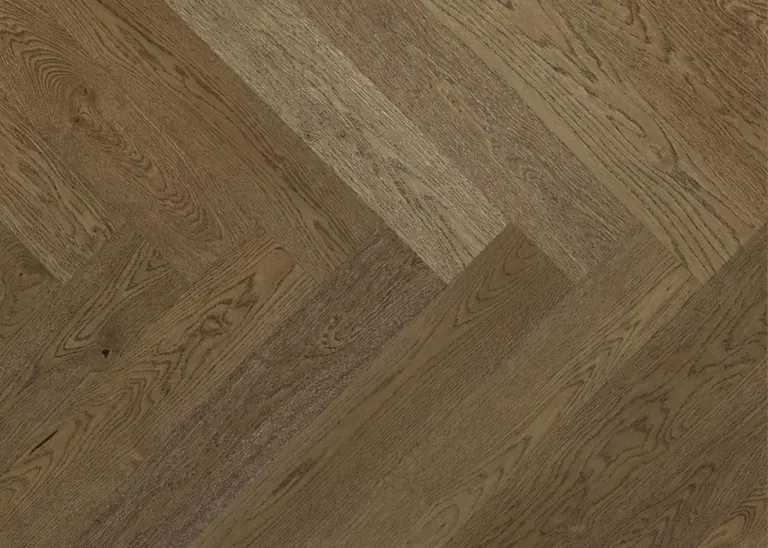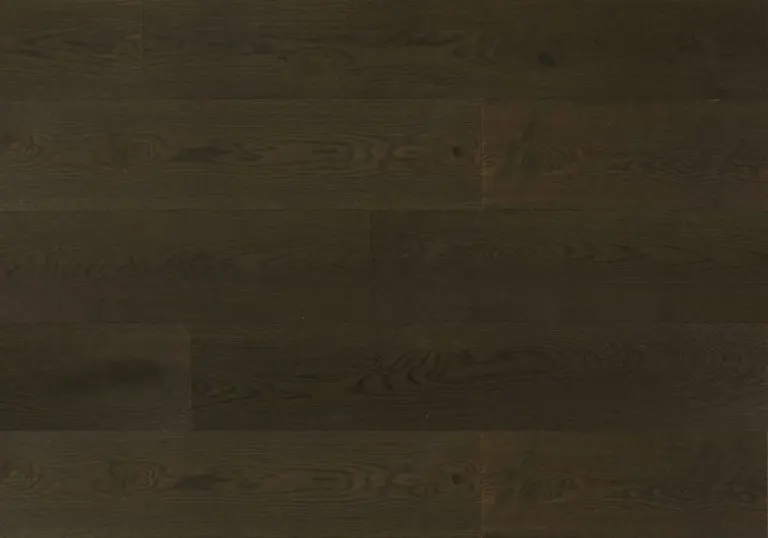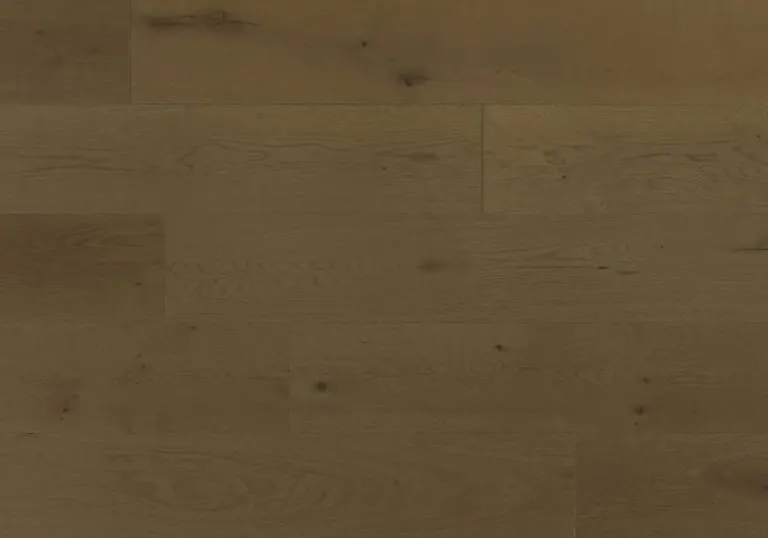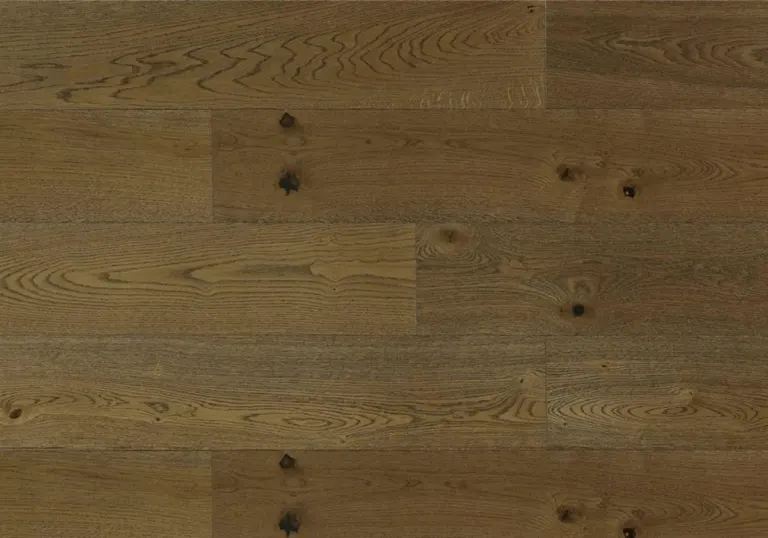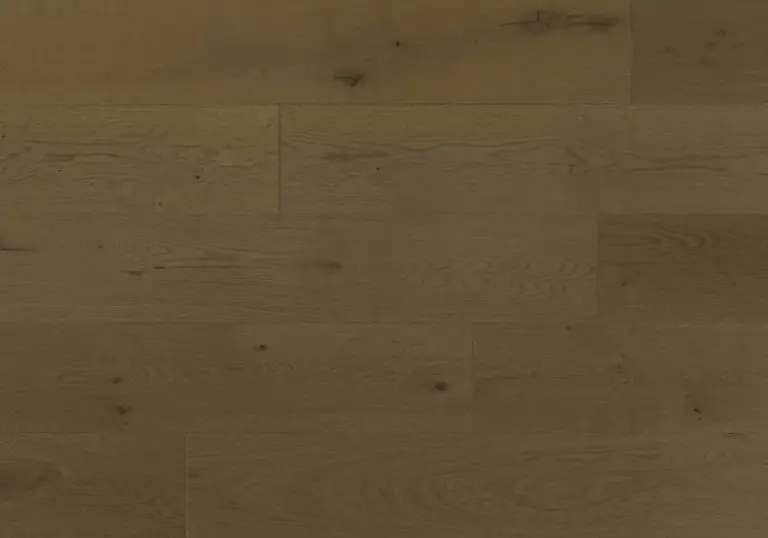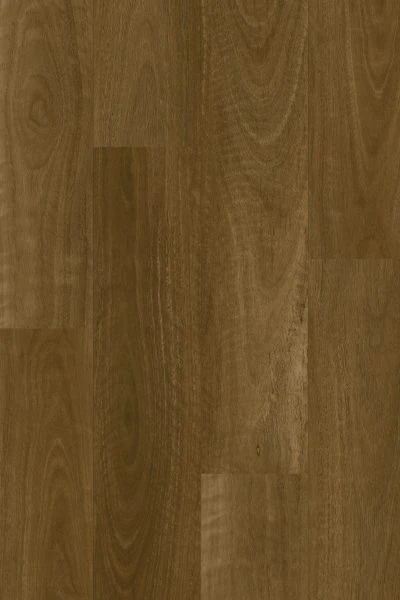



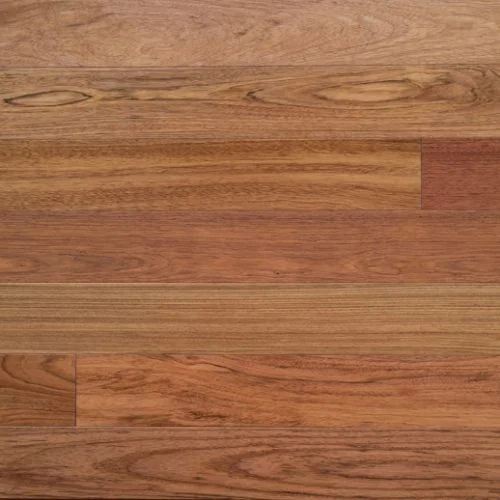
Jatoba Solid 18 mm
Australian Hardwood · 1820 × 122 mm
Colour guide
A dark floor has a strong presence in a room, so it helps to know how it behaves day to day before you choose one.
In short
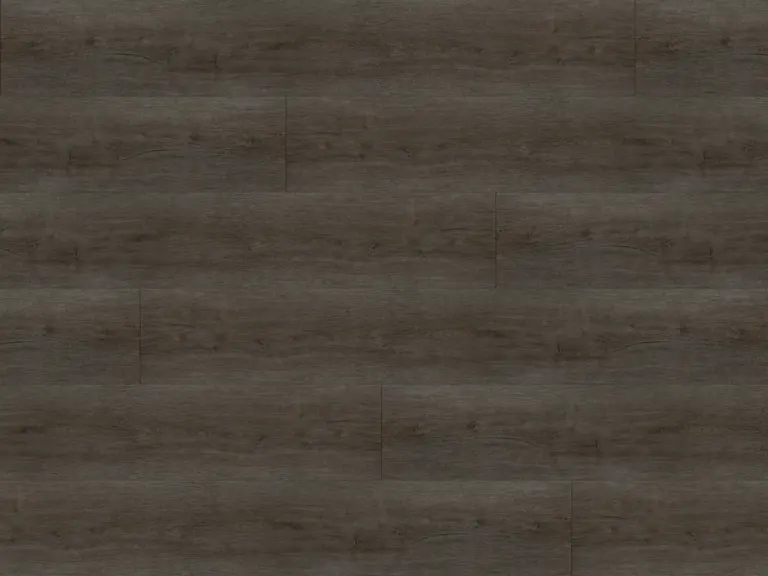
Dark floors look best in large, well-lit rooms with pale walls and joinery. They show dust, pale pet hair and scratches more than mid tones, so choose a brushed surface with visible grain if the room gets heavy use. In small or dim rooms, a dark floor can make the space feel smaller.
19 floors
Australian Hardwood · 1820 × 122 mm
Herringbone & Chevron · 900 mm × 150 mm × 15 mm
Engineered Oak · 2200 mm × 220 mm × 15 mm
Engineered Oak · 2200 mm × 220 mm × 15 mm
Engineered Oak · 1900 mm × 190 mm × 15 mm
Engineered Oak · 1900 mm × 190 mm × 15 mm
Engineered Oak · 1900 mm × 190 mm × 15 mm
Australian Timber Species · 1820/2100 mm × 180 mm × 14 mm
Laminate · 2260 mm × 236 mm
Hybrid · 1524 × 228 mm
Hybrid · 1545 × 228 mm
Hybrid · 650 × 127 mm
Herringbone & Chevron · 600 × 120 × 15 mm
Herringbone & Chevron · 600 × 120 × 15 mm
Herringbone & Chevron · 600 × 90 × 15 mm
Herringbone & Chevron · 600 × 120 × 15 mm
Herringbone & Chevron · 600 × 120 × 15 mm
Hybrid · 1524 × 228 mm
Vinyl Plank · 1524 × 230 mm
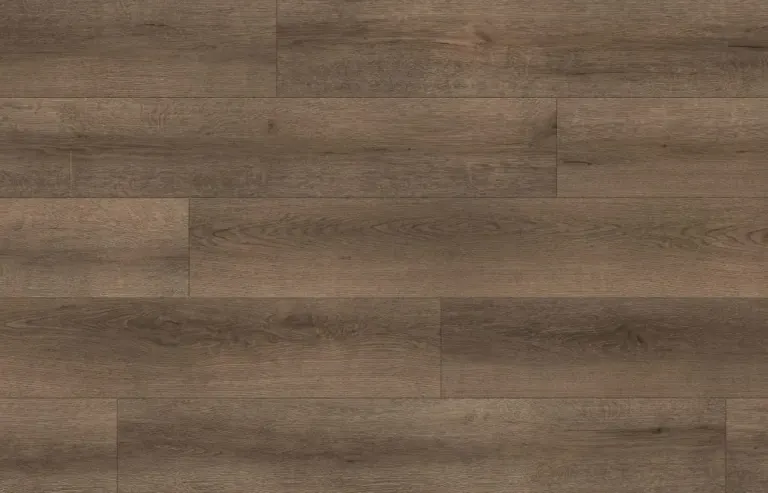
Our darker, richer boards are mostly engineered European oak, 15 mm thick with a 4 mm oak wear layer and a matte brushed surface:
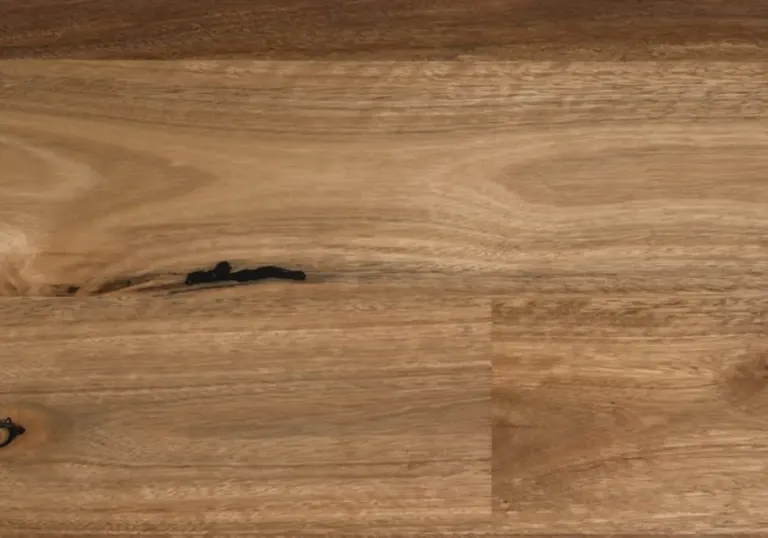
In Australian hardwood, Spotted Gum matte brushed gives a deeper, varied native look. It is a 14 mm board, 180 mm wide, with a 3 mm hardwood wear layer. The smooth version sits with our warm browns. In laminate, Santa Monica is the darker option, a 12 mm click board.
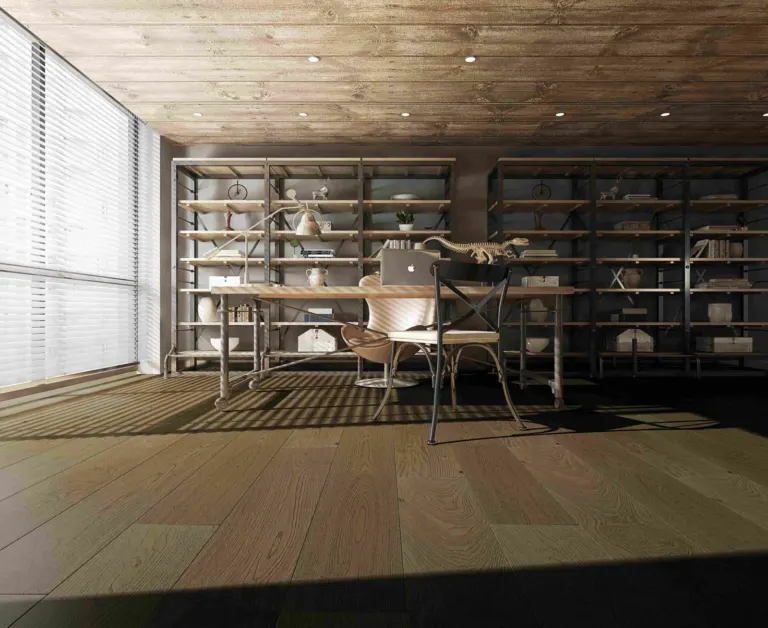
Dark timber looks its best with plenty of light and space: a large living room with big windows, a formal dining room, a wide entrance hall. Against white or pale walls it gives a clear, grounded look. In a small, dim room, the same floor can make the walls feel closer, so we usually suggest a mid tone there instead.
In Melbourne, north-facing rooms get direct sun and south-facing rooms get soft, indirect light. Dark floors react to both.
A north-facing room is where a dark floor looks richest. Low winter sun brings out the grain and the colour variation, and the room has enough light to carry the weight of the floor. However, the same sun also shows any dust on the surface, and over the years it can lighten the boards where it falls every day.
A south-facing room is more of a challenge. With only indirect light, a dark floor soaks up what little there is, and the room can feel dim even at midday. If you love a dark board and your main living area faces south, keep the walls, ceiling and joinery pale and plan good lighting. Look at samples in that room on a grey winter afternoon before you commit.
This is worth thinking through carefully. Dark floors show pale dust, lint, pale pet hair and footprints far more than mid browns. Hair from a white or golden dog will usually show on a dark floor within an hour of vacuuming. Scratches on a dark board often show as a lighter line, because the colour sits closer to the surface than the paler timber underneath. Water spots can show too.
There are a few ways to reduce this. Choose a board with visible grain and variation rather than a flat, even colour. Choose a brushed or textured surface, which all our engineered oaks have. Put felt pads under furniture and mats at the doors. If you have a pale-haired dog and a busy back door, we suggest looking at the warm browns before you decide.
Dark floors pair well with white, cream and pale grey cabinetry, light stone benchtops and pale upholstery. They are harder with dark joinery, where everything can merge into one heavy mass. If your kitchen is dark, pick a floor at least a couple of shades away from it.
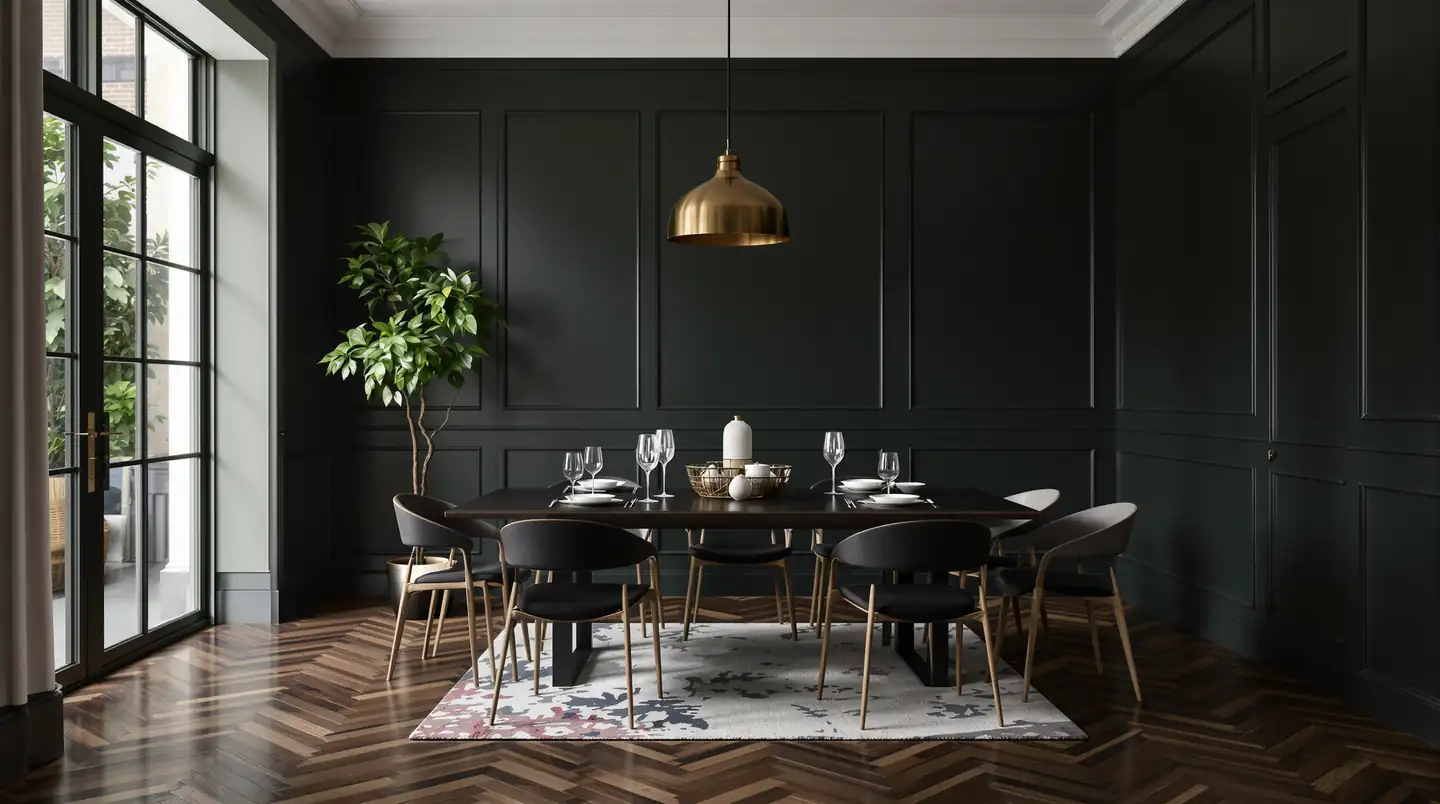
For walls, white and pale neutrals give the cleanest contrast. Deep, moody wall colours can work with a dark floor in a bright room, but in a dim one they close it in. Rugs help break up a large dark floor and show well against it.
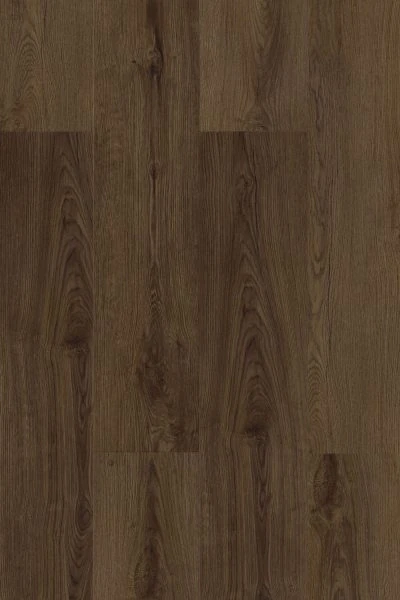
Nero Brown and Edgey come as 220 mm wide boards. A dark wide board gives a broad, even surface that suits a large open-plan space. It also makes a big room feel more settled. In a small room, the standard plank is usually the better fit.
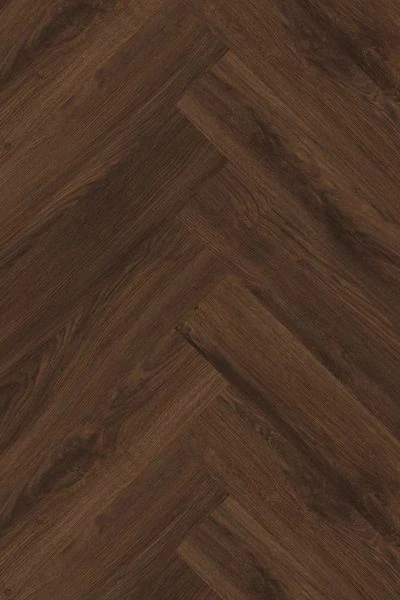
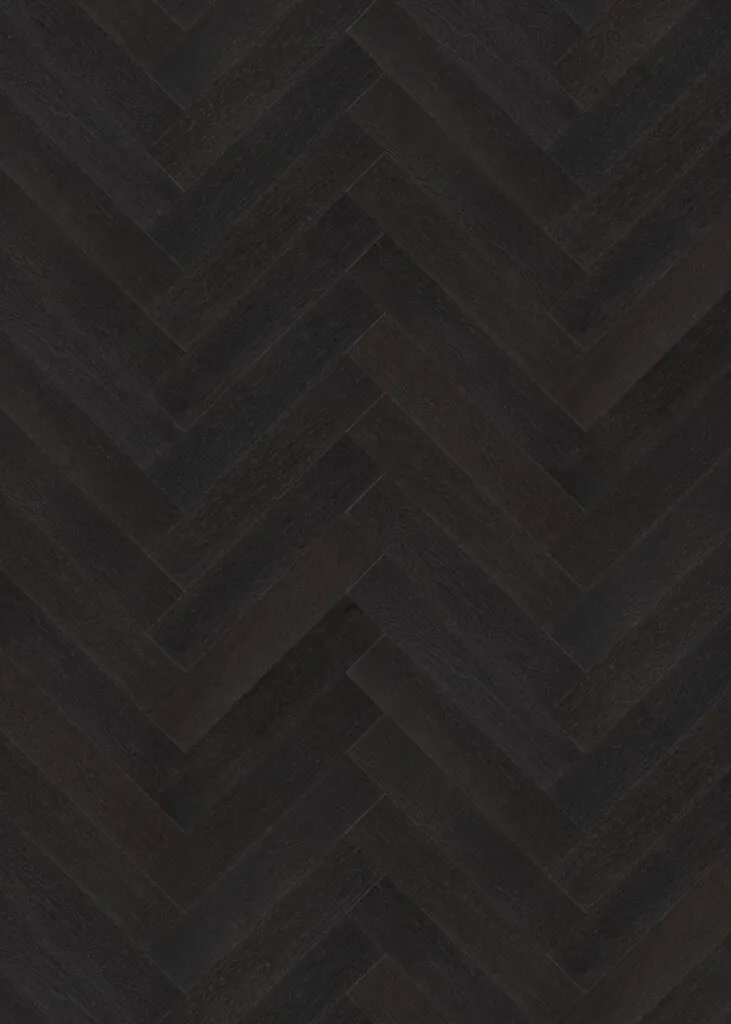
Dark herringbone, like Hidalgo Herringbone, has a formal look that suits dining rooms, entries and period homes. The pattern breaks up the surface, so dust and marks read slightly less than on long straight boards. Herringbone takes more cutting than straight boards, so allow for extra waste when you work out quantities.
Most people who choose a dark floor love how it looks and accept that it needs a little more cleaning. A quick dry mop or vacuum every day or two keeps dust from building up where the sun shows it. If you can, take shoes off at the door, as grit is the main cause of scratches. Rugs with some texture work well in high-traffic areas, such as the space in front of the kitchen bench.
The patch under a rug stays darker, so the outline shows when you move it. In a room with big north- or west-facing windows, plan for blinds or UV-reducing glazing if you choose a dark board, and move rugs around from time to time.
Browse the engineered oak range, or see boards at full size on the wall displays at our showroom and take samples home. When you are ready, book a free measure & quote.
Questions
They don't scratch more, but scratches show more because the lighter timber shows through. A brushed surface with visible grain hides them better.
They show dust, pale hair and footprints more than mid tones. If you have a pale-haired dog or a busy entry, consider a mid brown instead.
In a small or dim room it can. Dark floors look best in larger, well-lit rooms with pale walls.
You can, but the room will feel darker. Keep walls and joinery pale, plan good lighting, and look at samples there on an overcast afternoon.
Yes. Hidalgo comes in herringbone at 900 × 150 mm as well as standard plank.
Free measure & quote
Let us know your suburb and we will call you to arrange a time. Our quotes are itemised, so you can see the boards, preparation and labour separately.